
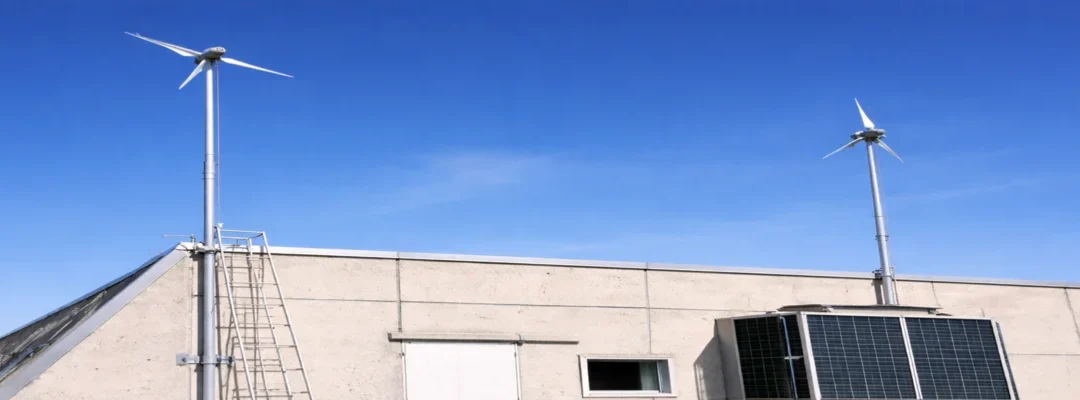
With growing interest in renewable energy, home wind turbines have become a popular choice for homeowners seeking to reduce electricity bills and lower their carbon footprint. However, installing a residential wind turbine is a significant investment, and there are several factors to consider to ensure efficiency, safety, and long-term performance.
This guide highlights 8 essential things every homeowner should know before investing in a home wind turbine.
1. Assess Wind Availability on Your Property
Wind turbines are most effective in areas with steady and strong winds. Before installing a turbine, it’s crucial to:
- Measure average wind speeds using an anemometer or online wind maps
- Avoid areas with obstructions like trees, tall buildings, or hills that create turbulence
- Consider seasonal variations in wind patterns
A turbine installed in a low-wind area may not generate enough electricity to justify the cost.
2. Understand Local Regulations and Permits
Residential wind turbines may require permits, zoning approvals, or compliance with building codes. Key steps include:
- Check local municipal regulations on turbine height and noise restrictions
- Verify setback requirements from property lines and buildings
- Ensure compliance with neighborhood or HOA rules
Skipping these steps can lead to fines, removal orders, or installation delays.
3. Choose the Right Type of Wind Turbine
There are two main types of turbines suitable for homes:
- Horizontal Axis Wind Turbines (HAWT): High efficiency in steady winds, usually mounted on tall towers
- Vertical Axis Wind Turbines (VAWT): Compact, quieter, and capture wind from any direction, ideal for turbulent or urban areas
Selecting the right turbine type depends on property size, wind conditions, budget, and maintenance preferences.
4. Determine the Optimal Size and Capacity
Home wind turbines come in various sizes, typically ranging from 400 watts to 20 kilowatts. Consider:
- Your home’s average energy consumption
- Desired percentage of energy to be offset by wind power
- Roof or tower height limitations
- Budget constraints
Proper sizing ensures that your turbine generates sufficient energy without overspending.
5. Consider Battery Storage and Energy Management
Wind is intermittent, so pairing your turbine with batteries or energy storage systems maximizes efficiency. Benefits include:
- Storing excess energy for nighttime or calm periods
- Reducing reliance on the grid
- Providing backup power during outages
Choosing the right battery type and capacity is essential for long-term performance.
6. Plan for Maintenance and Longevity
A well-maintained wind turbine can last 10–20 years. Maintenance tips include:
- Inspecting blades, towers, and wiring regularly
- Lubricating moving parts as needed
- Monitoring energy output to detect performance issues early
- Scheduling professional inspections periodically
Neglecting maintenance can reduce efficiency, increase repair costs, and shorten the turbine’s lifespan.
7. Evaluate Costs and Return on Investment (ROI)
The cost of a residential wind turbine includes:
- Turbine equipment and tower
- Installation and wiring
- Permits and inspections
- Battery storage (if used)
ROI depends on wind availability, electricity costs, maintenance, and available incentives. A properly installed turbine in a high-wind area can pay for itself within 5–15 years.
8. Understand Noise and Aesthetic Considerations
While modern turbines are quieter than older models, some noise and vibration may still occur. Consider:
- Choosing low-noise turbine models
- Installing turbines away from bedrooms or living spaces
- Considering visual impact and property aesthetics
Balancing performance with comfort and neighborhood acceptance is crucial for long-term satisfaction.
FAQs About Home Wind Turbines
1. How much energy can a home wind turbine generate?
It depends on turbine size, wind speed, and location. Small turbines typically produce 400–2,000 kWh annually, while larger residential models can generate up to 20,000 kWh.
2. Can I install a wind turbine on a rooftop?
Yes, rooftop installations are possible, but wind exposure, structural support, and turbine type must be considered.
3. Are home wind turbines noisy?
Modern turbines are relatively quiet, especially vertical axis models, but some sound is normal.
4. Do I need batteries with my wind turbine?
Batteries are optional but recommended for off-grid operation or maximizing energy efficiency.
5. How long does a residential wind turbine last?
With proper maintenance, a well-installed turbine can last 10–20 years.