
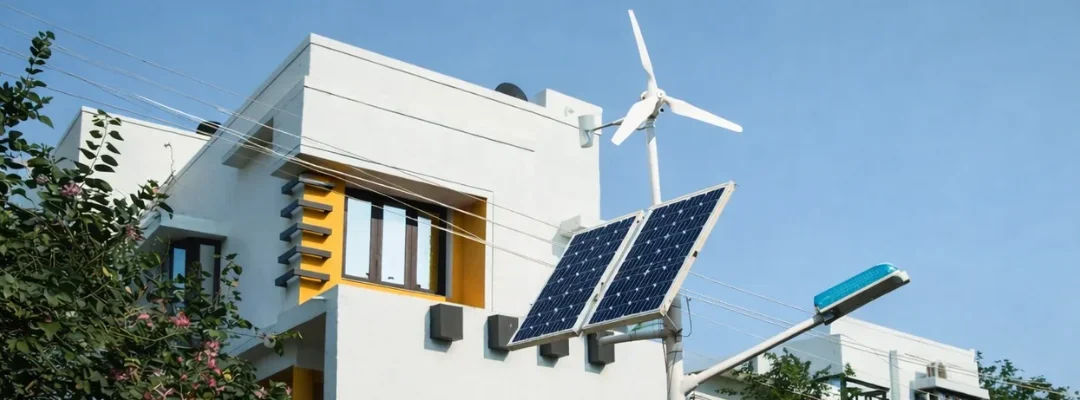
Installing a home wind turbine is a smart way to reduce electricity bills and invest in renewable energy. However, improper system configuration can significantly reduce efficiency, cause frequent breakdowns, and lower your return on investment (ROI). Understanding common mistakes and how to avoid them ensures your residential wind system operates safely and effectively.
This guide highlights the most frequent mistakes that homeowners make when configuring their wind turbines and provides actionable solutions.
Why Proper System Configuration Matters
Even a high-quality turbine can underperform if the system isn’t configured correctly. Configuration issues can affect:
- Energy output: Incorrect sizing or placement reduces efficiency.
- Safety: Poor installation may risk electrical faults or structural damage.
- Maintenance costs: Mistakes often lead to frequent repairs.
- ROI: Misconfigured systems take longer to pay off.
A well-planned configuration ensures optimal performance, energy savings, and long-term reliability.
1. Choosing the Wrong Turbine Size
Mistake: Selecting a turbine too large or too small for your energy needs.
Consequences:
- Oversized turbines cost more upfront without proportional energy gains.
- Undersized turbines may never meet household energy demands.
How to Avoid:
- Calculate your average daily energy consumption in kWh.
- Match turbine capacity to wind availability and household energy requirements.
- Consult manufacturer specifications and professional installers for accurate sizing.
2. Poor Turbine Placement
Mistake: Installing turbines in areas with wind obstructions or turbulence.
Consequences:
- Reduced energy production
- Increased wear on blades and mechanical parts
- Noisy or inefficient operation
How to Avoid:
- Ensure open space around the turbine, free from trees, buildings, or hills.
- Mount turbines at optimal height (typically 30–50 feet for residential use).
- Conduct a wind assessment using DIY tools or online wind maps.
3. Incorrect Battery or Energy Storage Configuration
Mistake: Using the wrong battery type or undersized battery bank.
Consequences:
- Energy is wasted during peak production
- Batteries degrade faster if over-discharged or poorly maintained
- System fails to provide consistent energy during calm periods
How to Avoid:
- Use deep-cycle batteries designed for wind energy storage.
- Size the battery bank to cover at least 1–2 days of average household consumption.
- Pair with a charge controller to prevent overcharging or over-discharging.
4. Improper Electrical Connections
Mistake: Incorrect wiring, poor grounding, or bypassing safety components.
Consequences:
- Electrical faults and potential fire hazards
- Inverter or charge controller failures
- Reduced system efficiency
How to Avoid:
- Follow manufacturer wiring diagrams and guidelines.
- Use properly rated cables and connectors.
- Ground the turbine according to local codes and best practices.
- Consider professional electrical inspection for safety.
5. Ignoring Wind Direction and Turbine Type
Mistake: Choosing the wrong turbine type for the wind environment.
Consequences:
- Horizontal Axis Wind Turbines (HAWT) underperform in turbulent or changing wind directions.
- Vertical Axis Wind Turbines (VAWT) may produce less energy in steady high winds.
How to Avoid:
- Assess your site’s wind patterns over time.
- Match turbine type to your property and wind conditions.
6. Skipping Maintenance Planning
Mistake: Not planning for ongoing maintenance during system configuration.
Consequences:
- Reduced turbine efficiency
- Increased risk of mechanical failure
- Shorter turbine lifespan
How to Avoid:
- Include maintenance accessibility in your configuration plan.
- Plan for inspections, lubrication, and cleaning.
- Keep manuals and maintenance schedules easily accessible.
7. Overlooking Local Regulations and Zoning
Mistake: Installing turbines without considering municipal regulations, HOA rules, or permits.
Consequences:
- Fines or forced removal of the turbine
- Legal disputes with neighbors or authorities
How to Avoid:
- Check local building codes, zoning rules, and height restrictions.
- Obtain necessary permits before installation.
- Ensure the system complies with noise and safety regulations.
FAQs About Home Wind Turbine Configuration
1. How do I know the right turbine size for my home?
Calculate your daily energy usage in kWh and compare it to the turbine’s rated output, considering local wind speeds.
2. Can I move a poorly placed turbine later?
Yes, but it may involve additional installation costs and downtime. Proper site assessment beforehand is cheaper and more effective.
3. How do I prevent battery issues in my wind system?
Use deep-cycle batteries with proper sizing and a charge controller to manage charging and discharging.
4. Do I need a professional to configure my system?
Professional consultation is recommended for electrical connections, tower installation, and system optimization.
5. Can configuration mistakes reduce energy production?
Absolutely. Improper sizing, placement, or electrical setup can reduce output by 30–50% or more.