
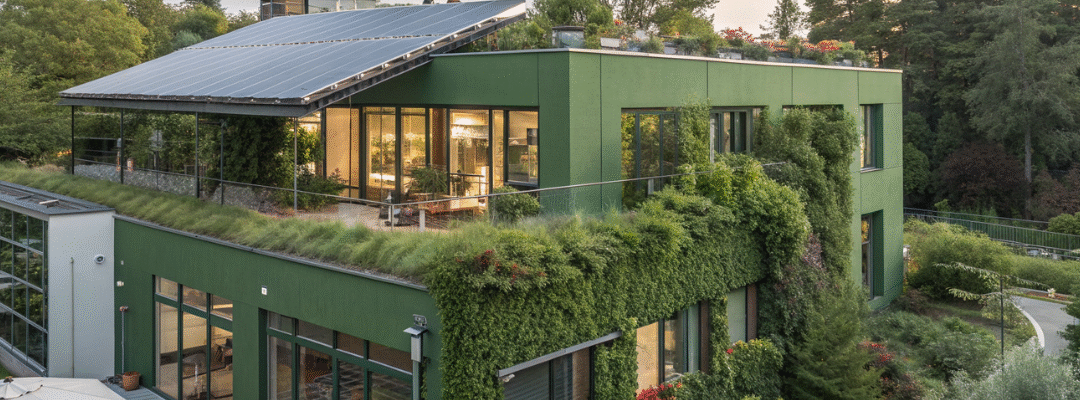
Why Sustainable Construction is the Future
Building the Future, Sustainably
As climate concerns rise and energy costs soar, the construction industry is transforming. Enter green building—an approach that prioritizes environmental sustainability, energy efficiency, and human well-being.
Whether you're a homeowner, builder, architect, or policymaker, embracing green building practices is no longer a luxury—it's a necessity for long-term resilience, cost savings, and environmental stewardship.
What is a Green Building?
A green building is one that uses eco-friendly design, materials, and construction methods to reduce environmental impact throughout its life cycle—from planning and construction to operation and demolition.
Key features include:
- Efficient use of energy, water, and materials
- Improved indoor air quality
- Use of renewable energy sources
- Reduced carbon footprint
- Minimal waste generation
Top 10 Benefits of Green Building
1. Lower Energy Consumption
Green buildings are designed to consume 20–50% less energy through insulation, natural ventilation, LED lighting, and solar panels.
Example: Installing rooftop solar panels can reduce electricity bills by 60–80%.
2. Water Efficiency
Techniques like rainwater harvesting, low-flow fixtures, and water recycling help reduce water usage significantly.
Impact: Saves 30–50% more water than conventional buildings.
3. Reduced Carbon Footprint
Using low-carbon materials, efficient HVAC systems, and renewable energy contributes to significantly lower greenhouse gas emissions.
4. Cost Savings Over Time
Though initial costs may be slightly higher (5–15%), green buildings save more in the long run through reduced utility bills, maintenance, and repairs.
5. Improved Indoor Air Quality
Use of non-toxic paints, natural ventilation, and air-purifying systems leads to healthier indoor environments.
Result: Higher occupant satisfaction, fewer sick days, and better productivity.
6. Increased Property Value
Green-certified buildings (like LEED or IGBC) often have higher resale values and are more attractive to tenants and buyers.
7. Reduced Construction Waste
Practices like prefabrication, recycling construction debris, and using recycled materials help divert tons of waste from landfills.
8. Compliance with Environmental Regulations
Green buildings help you meet or exceed local building codes, and often qualify for tax incentives or government rebates.
9. Better Biodiversity and Land Use
Sustainable landscaping, native vegetation, and smart site selection reduce ecological disruption and promote biodiversity.
10. Enhanced Community and Social Impact
Green buildings promote a healthier urban environment, reduce resource strain, and demonstrate social responsibility.
Popular Green Building Certifications
- LEED (Leadership in Energy and Environmental Design)
- IGBC (Indian Green Building Council)
- GRIHA (Green Rating for Integrated Habitat Assessment)
- BREEAM (UK-based)
These certifications assess buildings on metrics like energy, water, materials, waste, and indoor quality.
Green Building Materials and Technologies
| Material/Technology | Use |
|---|---|
| Solar panels | Renewable energy |
| Low-VOC paints | Healthier indoor air |
| Fly ash bricks | Sustainable masonry |
| Smart thermostats | Energy-efficient climate control |
| Double-glazed windows | Better insulation and light |
Challenges in Green Building (And Solutions)
| Challenge | Solution |
|---|---|
| Higher initial cost | Focus on lifecycle savings and government subsidies |
| Lack of skilled labor | Train contractors and architects in green practices |
| Limited material availability | Source locally and choose modular alternatives |
| Awareness and policy gaps | Promote certifications and municipal green mandates |
FAQs
Q: Is green building more expensive?
A: Initial costs may be 5–15% higher, but operational costs are significantly lower, offering ROI within 3–7 years.
Q: Can existing buildings be made green?
A: Yes, through retrofitting, using efficient fixtures, and improving insulation and lighting.
Q: Are green buildings only for commercial use?
A: No. Homes, schools, hospitals, and public spaces can all be green buildings.