
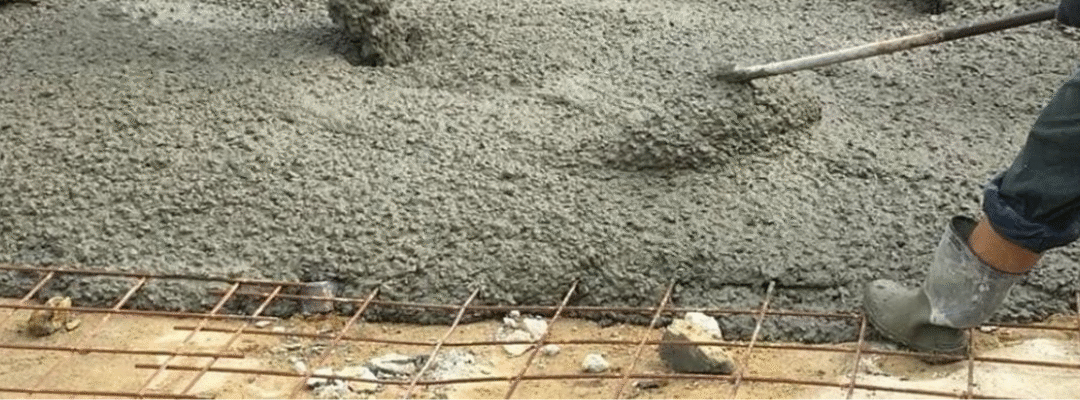
Why Mixing Ratio Matters in Concrete Strength
Concrete is the backbone of modern construction—literally. But what many don’t realize is that its strength, durability, and workability are determined by one critical factor: the concrete mixing ratio.
Whether you're pouring a house foundation, building a road, or creating a decorative slab, using the right concrete mix ratio is essential. This guide breaks down the definition, standard types, and how to vary the mix based on project needs.
What Is a Concrete Mixing Ratio?
The concrete mixing ratio defines the proportion of cement, sand, aggregate, and water used to form concrete. It's typically expressed as:
Cement : Sand : Aggregate
For example, a 1:2:4 ratio means:
- 1 part cement
- 2 parts sand (fine aggregate)
- 4 parts gravel or crushed stone (coarse aggregate)
Water is added to achieve the desired consistency and workability, often as a water-cement (w/c) ratio.
Standard Concrete Mix Ratios (Nominal Mix)
Nominal mixes are commonly used for general-purpose construction where exact strength isn't critical.
| Mix Ratio | Grade of Concrete | Typical Use |
|---|---|---|
| 1:3:6 | M10 (10 MPa) | Non-structural work, pathways |
| 1:2:4 | M15 (15 MPa) | Flooring, foundations |
| 1:1.5:3 | M20 (20 MPa) | Beams, slabs, columns (residential) |
| 1:1:2 | M25 (25 MPa) | Heavy load structures |
M refers to Mix and the number is the compressive strength in MPa after 28 days.
Types of Concrete Mixes
1. Nominal Mix
- Fixed ratios
- Used for small projects
- Easier to prepare manually
2. Design Mix
- Proportions are determined based on lab tests
- Used for commercial, high-performance projects
- Tailored to environment, load, and durability needs
3. Ready-Mix Concrete (RMC)
- Delivered from batching plants
- High accuracy and quality control
- Used for large-scale, time-sensitive projects
Water-Cement Ratio: The Hidden Secret
Water plays a critical role in strength and durability. Too much weakens the concrete, while too little makes it unworkable.
| Purpose | Ideal w/c Ratio |
|---|---|
| High strength concrete | 0.35 – 0.45 |
| Normal residential work | 0.45 – 0.60 |
| Lean concrete | 0.60+ |
Always use clean, potable water in concrete mixing.
How to Adjust the Mix for Different Needs
| Requirement | Adjustment |
|---|---|
| Higher strength | Increase cement, lower water-cement ratio |
| Better workability | Add plasticizers or increase sand slightly |
| Faster setting | Use rapid hardening cement |
| Exposure to moisture | Add waterproofing agents or use low w/c ratio |
| Harsh environments | Use sulfate-resistant cement and reduce permeability |
Example: How to Mix Concrete by Volume (M20)
For 1 cubic meter of M20 concrete (1:1.5:3):
- Cement = 1 part
- Sand = 1.5 parts
- Aggregate = 3 parts
- Water = ~0.5 part (by weight of cement)
Approximate Quantity:
- Cement: ~320 kg
- Sand: ~650 kg
- Aggregate: ~1300 kg
- Water: ~160 liters
Tips for Perfect Concrete Mixing
Mix thoroughly until the color is uniform
Use mechanical mixers for consistency
Avoid over-watering to prevent cracks
Cure the concrete for at least 7–14 days
Test slump for workability (75–100mm for most uses)
FAQs
Q: Can I use more cement for stronger concrete?
A: Not always. Too much cement increases shrinkage and cracking. Use design mix for high-strength needs.
Q: What’s the best mix for house slabs?
A: M20 (1:1.5:3) is commonly used for residential slabs and beams.
Q: How much water do I need per bag of cement?
A: Around 25–30 liters of water per 50 kg bag (depending on the mix and conditions).