
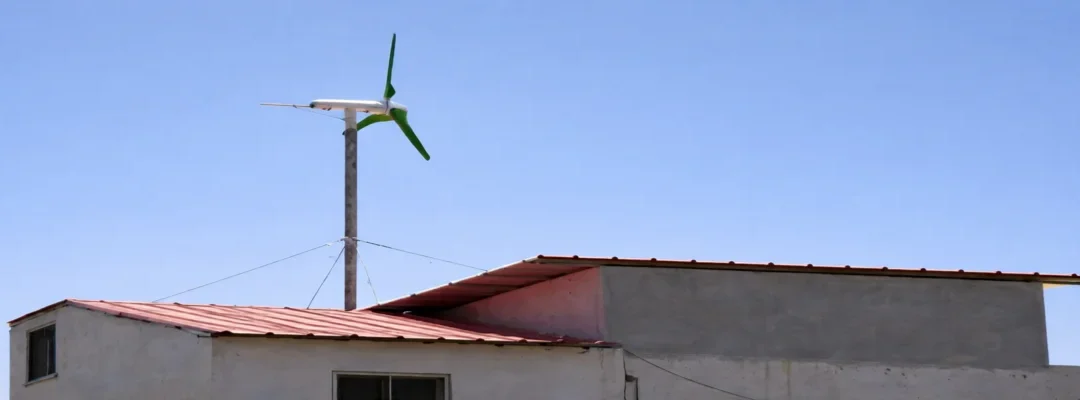
Installing a home wind turbine can be a smart way to reduce electricity bills, achieve energy independence, and contribute to a sustainable future. However, the upfront cost of a residential wind project can be significant. The good news is that there are multiple financing options available to help homeowners make the switch to clean energy without straining their budget.
This guide explains the different financing methods, government incentives, and tips to secure funding for your residential wind project.
Why Financing Matters for Home Wind Projects
While small wind turbines for homes can range from $10,000 to $50,000 or more depending on size and installation, financing allows you to:
- Spread the upfront cost over time
- Make renewable energy more affordable
- Take advantage of government incentives
- Start generating savings on electricity bills immediately
Financing can make residential wind energy accessible to more homeowners, even those who cannot afford the full upfront cost.
1. Personal Loans for Wind Turbines
A personal loan is one of the simplest ways to finance a home wind project. Many banks and credit unions offer unsecured loans with competitive interest rates.
Pros:
- Quick approval process
- Fixed interest rates for predictable monthly payments
- No need to put up your home as collateral (for unsecured loans)
Cons:
- Interest rates may be higher than other financing options
- Loan approval depends on credit score and income
2. Home Equity Loans or Lines of Credit
If you own your home, a home equity loan or line of credit (HELOC) can provide funds for a wind turbine installation.
Pros:
- Lower interest rates than personal loans
- Interest may be tax-deductible in some cases
- Can borrow a larger amount based on home equity
Cons:
- Your home is used as collateral
- Risk of foreclosure if payments are missed
3. Renewable Energy Loans
Some banks and specialty lenders offer renewable energy loans specifically for solar, wind, and other clean energy projects. These loans may have lower interest rates, longer terms, or incentives to encourage sustainable energy adoption.
Pros:
- Tailored for renewable energy projects
- Flexible repayment options
- May include technical support or installation guidance
Cons:
- Limited availability depending on region
- May require detailed project proposals and energy assessments
4. Leasing and Power Purchase Agreements (PPA)
Instead of purchasing a turbine outright, some homeowners can enter into a lease or power purchase agreement (PPA) with a renewable energy company.
How it Works:
- The company installs and owns the turbine.
- You pay a fixed monthly lease or buy the electricity generated at a lower rate than your utility.
Pros:
- Low or no upfront cost
- Maintenance and monitoring are handled by the provider
- No long-term debt obligations
Cons:
- You do not own the turbine or receive all energy savings
- Long-term costs may be higher than ownership
5. Government Incentives and Subsidies
Many governments offer grants, tax credits, and incentives to encourage residential renewable energy. Examples include:
- Investment Tax Credits (ITC): Deduct a portion of the installation cost from federal taxes.
- State or local rebates: Reduce the upfront cost of equipment or installation.
- Renewable energy grants: Direct funding for specific projects.
Tips:
- Research federal, state, and local programs available in your area
- Combine incentives with financing for maximum savings
- Consult with a certified installer to help navigate paperwork
How to Secure Financing for Your Residential Wind Project
- Know your project costs: Include equipment, installation, maintenance, and permits.
- Compare financing options: Evaluate interest rates, terms, and flexibility.
- Check eligibility for incentives: Use government programs to reduce upfront costs.
- Improve your credit score: Higher credit scores increase chances of loan approval at better rates.
- Work with a certified installer: Many installers can assist with financing applications and incentives.
FAQs About Financing Home Wind Turbines
1. Can I finance both the turbine and installation costs?
Yes, most loans or financing programs cover both equipment and installation expenses.
2. Are there interest-free loans for residential wind projects?
Some government programs or local incentives offer low-interest or interest-free loans for renewable energy.
3. How do tax credits affect financing?
Tax credits reduce your overall cost, which can lower monthly payments or shorten loan terms.
4. Can I refinance my renewable energy loan?
Yes, refinancing may be possible if interest rates drop or your financial situation improves.
5. What is the typical payback period for a financed home wind turbine?
Depending on wind conditions, incentives, and electricity savings, payback periods typically range from 5–15 years.