
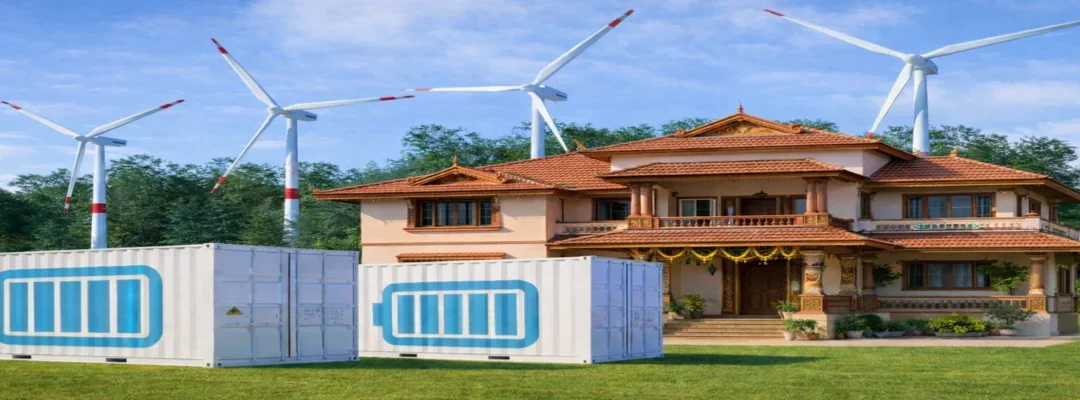
As more homeowners turn to renewable energy, residential wind turbines are becoming a popular way to generate electricity sustainably. However, wind is not constant, and this is where batteries and energy storage systems come in. They store excess energy generated during windy periods for use when the wind is calm, ensuring a reliable power supply for your home.
This guide explains how batteries and energy storage work with home wind turbines, the types of batteries available, and tips for optimizing your system.
Why Energy Storage Is Important for Home Wind Turbines
Unlike grid electricity, wind energy can be unpredictable. Your turbine may generate more power than your home needs at certain times and less at others. Energy storage systems solve this problem by:
- Storing excess energy: Captures unused energy for later use.
- Reducing grid dependence: Enables partial or full off-grid operation.
- Maximizing efficiency: Prevents wasted energy and increases ROI.
- Providing backup power: Ensures electricity availability during outages.
Without storage, much of your turbine’s energy could be wasted or fed back to the grid at low compensation rates.
How Home Wind Turbines Work with Batteries
A home wind turbine system connected to batteries typically includes:
- Wind Turbine: Captures wind and converts it into electricity.
- Charge Controller: Regulates the voltage and current going into the batteries to prevent overcharging.
- Battery Bank: Stores excess electricity for later use.
- Inverter: Converts stored DC (direct current) power from the batteries into AC (alternating current) electricity for household use.
- Load / Home Appliances: Receives electricity as needed from the batteries or directly from the turbine.
This system allows your home to use wind energy efficiently, even when the wind isn’t blowing.
Types of Batteries for Home Wind Energy Systems
Choosing the right battery is critical for efficiency, lifespan, and cost-effectiveness. Common types include:
1. Lead-Acid Batteries
- Pros: Affordable, widely available, proven technology.
- Cons: Heavy, lower lifespan (3–7 years), requires regular maintenance.
- Best For: Budget-conscious homeowners and small installations.
2. Lithium-Ion Batteries
- Pros: Long lifespan (10+ years), higher energy density, low maintenance.
- Cons: Higher upfront cost.
- Best For: Long-term residential use with higher energy needs.
3. Nickel-Based Batteries
- Pros: Durable and can handle deep discharges.
- Cons: Expensive and less common for home use.
- Best For: Specialized off-grid applications.
How to Size a Battery Bank for Your Home
Proper sizing ensures your system meets your household energy demands:
- Calculate daily energy consumption: Check your electric bills for average kWh used per day.
- Estimate turbine output: Consider the rated power and average wind speed at your location.
- Determine storage needs: Ideally, store 1–2 days of energy to cover calm periods.
- Account for battery efficiency: Not all stored energy is usable; consider depth-of-discharge limits.
Example:
If your home consumes 10 kWh per day and your battery efficiency is 85%, you’ll need about 12 kWh of battery storage (10 ÷ 0.85 ≈ 11.8 kWh).
Tips for Optimizing Energy Storage
- Use a hybrid system: Combine wind and solar for more consistent generation.
- Monitor usage: Smart inverters and apps can help track energy storage and consumption.
- Maintain batteries properly: Check electrolyte levels (for lead-acid), keep batteries at optimal temperature, and ensure proper charging cycles.
- Invest in quality inverters: Efficient inverters reduce energy loss when converting DC to AC.
Advantages of Using Batteries with Home Wind Turbines
- Reliable power supply even during low wind periods
- Reduced electricity bills and dependency on the grid
- Ability to go off-grid or use a hybrid system
- Increased lifespan of the turbine by preventing overproduction issues
FAQs About Home Wind Turbine Batteries
1. Can I use regular household batteries for a wind turbine?
No, you need deep-cycle batteries designed to handle repeated charge and discharge cycles efficiently.
2. How long do wind turbine batteries last?
Lead-acid batteries typically last 3–7 years, while lithium-ion batteries can last 10–15 years with proper maintenance.
3. Do I need a battery if my home is grid-connected?
Not necessarily. Grid-tied systems can feed excess energy back to the grid, but batteries provide backup power and energy independence.
4. Can I combine wind and solar batteries?
Yes, hybrid energy systems using a shared battery bank are common for residential setups.
5. How much does a residential battery bank cost?
Costs vary depending on type, capacity, and brand, ranging from $1,000 to over $10,000 for high-capacity lithium-ion systems.