
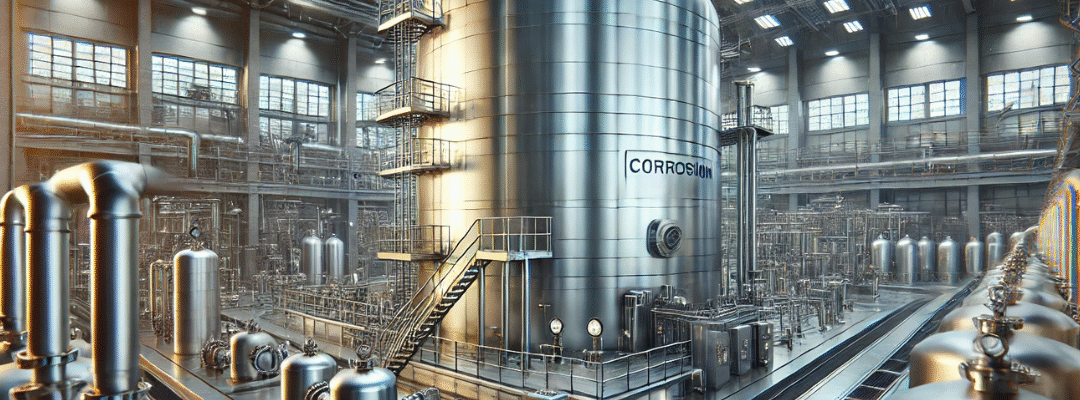
As a leading manufacturer and supplier of corrosion-resistant tanks, EKA Synergy Projects is dedicated to delivering tailored storage solutions that meet your specific needs. With over 15 years of hands-on experience in the industry, we understand the critical importance of designing tanks that ensure longevity and optimal performance in aggressive environments. This comprehensive guide outlines essential considerations for designing corrosion-resistant tanks, establishing us as your trusted industry expert.
Understanding Corrosion Resistant Tanks
What Are Corrosion Resistant Tanks?
Corrosion-resistant tanks are specialized storage solutions engineered to withstand the damaging effects of corrosive substances. These tanks are vital across various industries, including chemical processing, water treatment, and food storage. Their robust design not only protects the contents but also enhances safety and compliance with industry regulations, ensuring peace of mind for operators and stakeholders alike.
Why Choose Corrosion Resistant Tanks?
Opting for corrosion-resistant tanks is essential for maintaining the integrity of stored materials. High-quality tanks significantly reduce maintenance costs and extend the lifespan of your storage solutions. According to industry studies, using corrosion-resistant tanks can lead to a reduction in replacement costs by up to 30% over a decade. By investing in these tanks, you are not only safeguarding your assets but also enhancing operational efficiency.
Key Considerations for Designing Corrosion Resistant Tanks
1.Choose the Right Base Material
Selecting the appropriate base material is the first step in designing a corrosion-resistant tank. The choice should be based on the type of contents and environmental conditions. Recommended materials include:
- 316L Stainless Steel: Offers excellent resistance to acids, salts, and chlorides; ideal for food-grade, pharmaceutical, and marine applications.
- FRP (Fiberglass Reinforced Plastic): Lightweight and highly chemical-resistant; perfect for harsh acids or industrial chemicals.
- HDPE (High-Density Polyethylene): A cost-effective option for low-pressure chemical or potable water storage; rust-proof and durable.
- Rubber-Lined Steel: Combines the structural strength of steel with the chemical resistance of synthetic rubber; suitable for acid storage.
- Coated Concrete: Effective for large tanks when lined with anti-corrosive membranes or coatings.
2.Apply Internal Protective Linings
Even corrosion-resistant materials can degrade under certain conditions. Adding internal coatings provides an additional chemical shield. Common lining options include:
- Epoxy Coatings: Versatile liners for steel and concrete tanks that extend the lifespan of storage solutions.
- Vinyl Ester Linings: High-performance options for aggressive chemical storage, recommended for their durability and resistance.
- Rubber Linings: Ideal for sulfuric acid and alkali applications, ensuring compatibility with stored materials.
- Thermoplastics (PVC, CPVC, PTFE): Suitable for highly corrosive or temperature-sensitive contents.
- Glass-Lined Tanks: Perfect for highly acidic or caustic storage environments, providing an inert barrier.
3.Design with Corrosion Allowance
Incorporate a corrosion allowance into your design—typically an extra thickness of 3–5 mm, especially for steel tanks. This practice ensures the tank retains its integrity even after years of exposure to corrosive elements, as recommended by the American Society of Mechanical Engineers (ASME).
4.Install Cathodic Protection Systems
To combat electrochemical corrosion, especially in underground or metallic tanks, consider installing cathodic protection systems. Options include:
- Sacrificial Anodes: Using magnesium or zinc that corrodes in place of the tank, a method endorsed by corrosion engineering specialists.
- Impressed Current Systems (ICCP): A powered cathodic protection method for large or high-risk installations, ensuring long-term protection.
Ensure that coating systems are compatible with cathodic systems to avoid interference.
5.Smart Structural Design to Prevent Corrosion Traps
Good geometry is your first defense against corrosion. Design the tank to avoid stagnation, pooling, or stress points:
- Smooth Transitions: Avoid sharp corners or crevices where corrosion can initiate.
- Sloped Floors: Encourage complete drainage and reduce sediment buildup, as recommended by industry best practices.
- Minimize Welds in Corrosive Zones: Use seamless construction when possible or protect welds with anti-corrosion treatments.
6.External Protection Against Environmental Corrosion
For outdoor tanks, protect them from weathering, UV exposure, and atmospheric moisture. Solutions include:
- Zinc-Rich Primers or Polyurethane Paints: For steel tanks exposed to outdoor air, providing a protective barrier.
- Bitumen Coating or HDPE Wrapping: Ideal for underground tanks to block soil moisture.
- Thermal Insulation: Prevents condensation and surface corrosion caused by temperature fluctuations.
7.Use Corrosion Inhibitors in Stored Contents
For tanks storing water or chemicals, consider adding corrosion inhibitors to reduce internal chemical attack. Effective strategies include:
- Water pH Buffers: Maintain pH levels between 6.5 and 8.5 to protect tank integrity.
- Oxygen Scavengers: Reduce dissolved oxygen that accelerates corrosion in metal tanks.
- Salt and Chloride Filtration: Remove corrosive particles before they enter the tank, enhancing longevity.
8.Enable Proper Ventilation and Drainage
Ensure that your tank design includes:
- Tank Vents: To prevent corrosive gas buildup (e.g., H₂S, chlorine vapors).
- Efficient Drainage Systems: To ensure no water or chemicals collect at the tank bottom.
- Pressure Equalization: Use pressure relief valves to avoid structural stress and internal condensation.
9.Regular Inspection and Maintenance
Even the best-designed tank requires regular care to maintain performance over time. A maintenance checklist should include:
- Inspecting linings and coatings every 6–12 months.
- Using ultrasonic testing to monitor wall thickness and corrosion hotspots.
- Recoating or relining if signs of wear, blistering, or exposure appear.
- Cleaning tank interiors to remove residue, sludge, or contaminants.
10.Specify Anti-Corrosive Fasteners and Accessories
Ensure that your design does not fail at the joints by using:
- Stainless Steel Fasteners: Or plastic/rubber gaskets to prevent corrosion at connection points.
- Corrosion-Resistant Sealants: To seal all welds, flanges, and manholes.
- Avoid Mixing Incompatible Metals: To prevent galvanic corrosion, a common oversight in tank design.
11.Account for Thermal Expansion and Contraction
If the tank holds hot or temperature-sensitive fluids, consider:
- Designing Expansion Joints: Or using flexible linings to accommodate thermal movement.
- Insulating the Tank: To reduce thermal cycling that leads to cracking and corrosion.
- Choosing Materials: Like PTFE or FRP, which can handle thermal fluctuations better.
Summary: Corrosion-Resistant Tank Design Strategy
| Design Element | Purpose |
| Material Selection | Ensures inherent corrosion resistance |
| Internal Linings | Creates a chemical barrier inside the tank |
| Cathodic Protection | Prevents electrochemical metal corrosion |
| Smart Geometry | Reduces stagnation, pooling, and crevice risk |
| External Coatings | Shields against environmental degradation |
| Drainage & Ventilation | Prevents buildup of corrosive gases/liquids |
| Inhibitors & pH Control | Chemically neutralizes corrosive elements |
| Maintenance & Monitoring | Detects and prevents long-term damage |
| Thermal Protection | Avoids cracking and stress from heat change |