
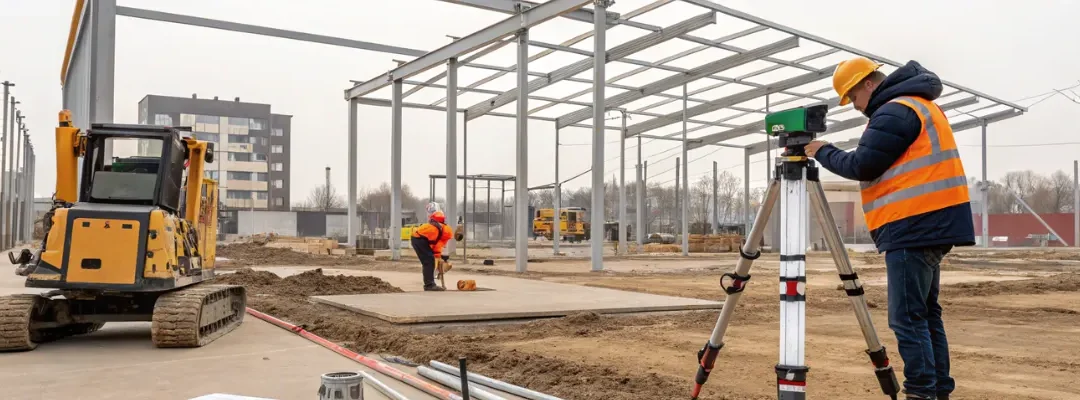
Why Site Efficiency Matters More Than Ever
In today’s competitive and time-sensitive construction landscape, efficiency on the construction site is no longer a “nice-to-have”—it’s essential for staying on budget, delivering on time, and maintaining quality standards.
From labor management to technology integration, this guide covers the most effective strategies to boost construction site productivity, reduce waste, and enhance safety.
1. Optimize Workforce Planning
The workforce is your most critical asset. Without proper scheduling and delegation, time and money are wasted.
Actionable Tips:
- Use Gantt charts to schedule tasks with clear deadlines.
- Assign clear roles and responsibilities.
- Stagger shifts to avoid overcrowding or downtime.
- Hold daily toolbox talks to set expectations.
2. Standardize Construction Processes
Inconsistent workflows lead to errors, delays, and rework. Creating repeatable processes boosts performance and accountability.
Actionable Tips:
- Develop Standard Operating Procedures (SOPs) for recurring tasks.
- Use checklists for quality control.
- Encourage subcontractors to follow uniform site rules.
3. Adopt Construction Technology
Embracing digital tools can significantly enhance communication, planning, and execution.
Tools to Use:
- Project Management Software: Procore, Buildertrend, Monday.com
- BIM (Building Information Modeling): Improves design accuracy and clash detection
- Drones: For aerial monitoring and progress tracking
- RFID/GPS: To track equipment, workers, and materials in real-time
4. Improve Material Handling and Storage
Delays often stem from inefficient material flow and improper storage, which lead to damage or waste.
Actionable Tips:
- Follow Just-in-Time (JIT) material delivery strategies.
- Designate specific storage zones with labeling and signage.
- Use barcodes or inventory tracking software.
5. Invest in Equipment Maintenance and Upgrades
Idle or broken machinery is a productivity killer.
Actionable Tips:
- Maintain an equipment logbook for preventive maintenance.
- Use IoT sensors to monitor machine health.
- Replace outdated tools that slow down tasks.
6. Reduce Rework Through Quality Control
Rework due to poor workmanship or miscommunication drains productivity and increases costs.
Actionable Tips:
- Conduct routine site inspections.
- Use quality checklists after each milestone.
- Incorporate digital field reports for fast issue resolution.
7. Enhance Communication Channels
Lack of real-time communication causes delays, errors, and confusion.
Actionable Tips:
- Use WhatsApp groups, Slack, or Walkie-Talkie apps for instant team updates.
- Hold morning stand-ups to align all crews.
- Create a centralized digital dashboard visible to all stakeholders.
8. Cross-Train Your Crew
A flexible workforce reduces downtime and boosts task versatility.
Actionable Tips:
- Provide cross-functional training on multiple tools or tasks.
- Encourage job shadowing during off-peak hours.
- Maintain a skills matrix to identify gaps and potential.
9. Design for Constructability
Often, inefficiencies arise from poor design that doesn’t account for on-site conditions.
Actionable Tips:
- Involve field engineers early in design decisions.
- Use BIM coordination meetings to avoid clashes.
- Simplify design details where possible for easier execution.
10. Implement Lean Construction Principles
Lean thinking aims to maximize value and minimize waste.
Examples of Lean Practices:
- Value Stream Mapping
- Pull Planning
- 5S (Sort, Set in order, Shine, Standardize, Sustain)
- Continuous improvement (Kaizen)
Bonus Tip: Prioritize Safety
Unsafe sites cause delays and legal risk. Efficient sites are safe sites.
- Enforce PPE compliance
- Conduct weekly safety audits
- Use incident tracking software
FAQs
Q: How can small contractors improve site efficiency on a low budget?
A: Start by using free or low-cost tools like Trello for task tracking, Google Sheets for material logs, and WhatsApp for team communication.
Q: Does adopting technology really improve productivity?
A: Yes—when used correctly, tech tools can reduce rework, enhance communication, and improve documentation speed.