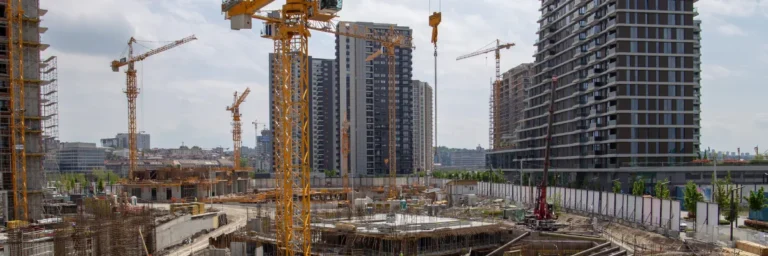
Bangalore’s construction boom faces a paradox: on one hand, the city struggles with seasonal water scarcity; on the other, flash floods during the monsoon disrupt work and damage property. For construction professionals, water management isn’t just about compliance—it’s about survival, sustainability, and smart planning.
Whether you’re managing a residential build or a large-scale commercial project, here are the most effective water management solutions tailored for construction sites in Bangalore.
1. Rainwater Harvesting Systems (RWH)
Why It’s Important:
Bangalore mandates RWH for new buildings under GBA (BBMP) bye-laws. It also helps meet water needs during dry spells.
What to Implement:
- Rooftop catchment systems with first-flush filters
- Storage tanks for non-potable uses (curing, landscaping)
- Recharge pits to replenish groundwater
Bonus: Reduces dependency on water tankers and borewells.
2. Smart Site Drainage Design
Why It’s Important:
During monsoon, waterlogging leads to unsafe work conditions, material damage, and equipment failures.
What to Implement:
- Surface drains and stormwater channels around the site
- Silt traps and sedimentation tanks to filter runoff
- Elevated plinths and access roads with proper grading
Pro Tip: Use gravel beds and check dams to slow runoff in sloped sites like South Bangalore.
3. Water-Efficient Construction Practices
Why It’s Important:
Concrete curing and dust suppression consume thousands of liters per day.
Water-Saving Tactics:
- Curing compounds (spray-on) instead of water ponding
- Pre-mixed concrete to reduce on-site water usage
- Dry construction methods (like AAC blocks or precast) where applicable
Stat: Switching to curing compounds can reduce water usage by 30–50%.
4. On-Site Water Recycling and Reuse
Why It’s Important:
Reusing greywater minimizes freshwater demand and cuts costs.
How to Implement:
- Collect runoff and washing water in holding tanks
- Filter and reuse for dust control or curing
- Install mobile treatment units on large sites
Case Study: Several projects in Whitefield now reuse washwater for concrete mixing, saving 2,000+ liters/day.
5. Borewell Management and Monitoring
Why It’s Important:
Over-reliance on borewells has led to falling groundwater levels in Bangalore’s outer zones.
What to Do:
- Use digital water meters to track extraction
- Cap overused or illegal borewells
- Replenish borewells using recharge wells and permeable paving
Compliance: Projects over 20,000 sq. ft. may require hydrogeological clearance under CGWA norms.
6. Erosion and Sediment Control
Why It’s Important:
Runoff carrying silt can block drains and pollute nearby lakes—common in East Bangalore’s lake belts.
Best Practices:
- Use geo-textile mats and sediment fences
- Cover stockpiles and excavated soil during rains
- Create temporary bunds and berms for containment
7. Water Management Planning and Audits
Why It’s Important:
Must-Haves:
- Site Water Management Plan (WMP)
- Daily consumption tracking logs
- Monthly audits and leak checks
Smart Tools: Use apps like Smarter Dharma or cloud-based construction ERPs to automate reporting.